Peanuts While Breastfeeding: How Moms Can Help Prevent Peanut Allergies
The power of peanuts might be greater than you think when it comes to protecting your baby from peanut allergies.
Recent research suggests that moms who eat a moderate amount of peanuts while breastfeeding might be giving their babies this kind of protection.
Let’s explore the power of peanuts and how this simple dietary choice could benefit your baby.
Sharing Peanuts, Sharing Protection
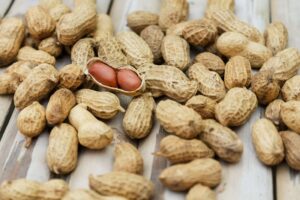
A study published in the Annals of Allergy, Asthma & Immunology found that moms who consumed a moderate amount of peanuts—less than 5 grams per week—while breastfeeding were more likely to pass on some protection against peanut allergies to their babies.
Interestingly, moms who ate a lot of peanuts or none at all didn’t seem to offer the same protective benefits.
This suggests that moderation might be the key when it comes to the power of peanuts.
The Power of Peanuts: The Science Behind Peanut Protection
Researchers at MyOr, including Dr. Michael Brandwein, Co-Founder of MyOr, studied 303 infants from the LEAP trial.
All of them were at high risk for peanut allergies due to egg allergies or severe eczema.
The babies were grouped based on how many peanuts their moms ate:
- No peanuts
- Less than 5 grams per week
- 5 grams or more per week
The study found a clear connection between a mother’s peanut consumption during pregnancy and breastfeeding and her baby’s risk of developing a peanut allergy.
This finding highlights the importance of incorporating the principles of nutrition and dietetics into maternal diets.
Moms who ate a moderate amount of peanuts during breastfeeding significantly helped protect their babies from peanut sensitivity when they were 60 months old.
This emphasizes the potential benefits of seeking nutrition counseling services for a personalized meal plan and dietary guidance.
Peanuts are rich in nutrients like protein and healthy fats. They can also contribute to maternal health by supporting heart health and helping maintain healthy blood pressure levels.
This can indirectly affect considerations such as life insurance coverage, as insurers often assess overall health and dietary habits.
Other Factors to Consider
The study also looked at other factors that could influence peanut sensitivity and allergies, including:
- Ethnicity
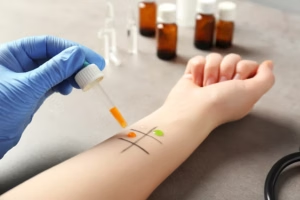
- Skin prick test results
- Blood pressure
- Maternal peanut consumption during breastfeeding
Interestingly, factors like birth weight, gestational age, delivery method, and duration of breastfeeding didn’t seem to have a significant impact on the risk of developing a peanut allergy.
This highlights the unique power of eating peanuts in this context.
Alternatives for Mothers With a History of Peanut Allergies
Mothers with known peanut allergies should avoid peanuts entirely to prevent allergic reactions that could affect their health or their infant’s well-being.
Nut-free alternatives, such as sunflower or pumpkin seeds and nut-free butter, can provide similar nutritional benefits without the associated risk of allergic reactions.
Conclusion
The power of peanuts might offer breastfeeding moms a simple way to help protect their babies from peanut allergies.
By consuming a moderate amount of peanuts during breastfeeding, moms could be giving their infants a better chance of avoiding peanut sensitization.
While these findings are promising, they are just the beginning. Researchers are continuing to explore how different dietary choices and feeding methods can affect infant allergies.
The journey of understanding the relationship between motherhood, peanuts, and allergies continues!
To take proactive steps in preventing food and peanut allergies, fill out our survey and visit MyOrThrive.com to learn more or book an appointment with one of our specialist dietitians for personalized support.