13 Foods to Avoid on Ozempic Diet: Dietitian-Approved List 2025
For more information on our content creation process, view our Editorial Policy.
Key Takeaways
Understanding which foods to avoid while taking Ozempic can dramatically reduce uncomfortable side effects and improve your treatment success.
- Avoid high-fat foods like fried items and red meat – These create a “double-slowing” effect with Ozempic’s delayed digestion, causing severe nausea and vomiting.
- Eliminate sugary and carbonated drinks – They spike blood sugar levels and worsen bloating, directly counteracting Ozempic’s therapeutic benefits.
- Limit alcohol consumption carefully – Alcohol intensifies Ozempic’s effects and increases the risks of dehydration and dangerous hypoglycemia episodes.
- Choose whole grains over refined carbs – White bread and processed foods cause rapid glucose spikes that undermine blood sugar management goals.
An Ozempic diet can feel like walking through a dietary minefield when the wrong foods trigger uncomfortable side effects.
As GLP-1 medications like Ozempic and Wegovy gain popularity for weight management, many users are discovering that certain foods significantly worsen nausea, vomiting, and other digestive issues.
Research shows that this happens because semaglutide, the active ingredient, deliberately slows your digestion up to 4 hours, which means food remains in your stomach longer.
Specifically, foods to avoid while taking Ozempic include ultra-processed items, sugary drinks, and refined carbohydrates. In fact, many people report that fried foods, pizza, and doughnuts can trigger severe gastrointestinal distress.
We’ve compiled this dietitian-approved list of 13 foods to avoid on Ozempic based on clinical evidence and patient experiences.
Fried Foods

The combination of high-fat, greasy foods with a medication that deliberately slows digestion creates a perfect storm for digestive distress.
Why fried foods are problematic on Ozempic
Fried chicken, french fries, and donuts may taste delicious, but they create significant issues when taking semaglutide medications. The fundamental problem is twofold. First, Ozempic substantially slows down how quickly your stomach empties. Second, fatty foods already naturally take longer to digest even without medication.
Furthermore, many fried options are ultra-processed foods that offer minimal nutritional value despite their high calorie content. Since Ozempic reduces your appetite, every calorie consumed should ideally provide maximum nutrition.
Read more expert insights on food to avoid while on Clopidogrel
Common side effects from fried foods
Consuming fried foods while on Ozempic frequently triggers numerous uncomfortable symptoms:
- Increased nausea and vomiting – The longer food sits in your stomach, the more likely you’ll experience waves of nausea
- Indigestion and heartburn – Fatty foods combined with slowed digestion often lead to acid reflux
- Abdominal bloating and discomfort – Many patients report increased stomach distension after eating greasy foods
- Constipation or diarrhea – High-fat foods can disrupt normal bowel movements, an effect amplified by Ozempic
These side effects tend to be more severe during the initial weeks of treatment as your body adjusts to the medication.
Red Meat
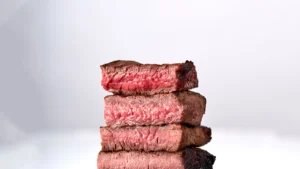
For many patients on semaglutide medications, red meat quickly becomes a problematic food choice. Research shows red meat belongs at the top of the list of foods to avoid on Ozempic due to its unique interaction with the medication’s digestive effects.
Why red meat is hard to digest on Ozempic
Red meat creates a double challenge for those taking Ozempic. First, semaglutide medications deliberately slow down gastric emptying, the rate at which food moves through your digestive system. Second, high-fat foods like steak, ground beef, and ribs already take longer to digest even without medication.
Essentially, the high fat content in red meat slows digestion further in a system already operating at reduced speed.
GI symptoms linked to red meat
Patients who consume red meat while on Ozempic commonly report several uncomfortable digestive symptoms:
- Severe nausea and vomiting (some patients report “throwing it all back up”)
- Intense heartburn and acid reflux
- Prolonged bloating and stomach pain
- Constipation due to longer digestion times
According to medical experts, approximately 20% of all Ozempic users experience stomach pain and discomfort at some point. These symptoms often intensify after consuming red meat due to its high fat content.
High-Fat Dairy Products
Although eliminating these foods completely isn’t necessary, understanding how they interact with Ozempic can help prevent uncomfortable digestive issues.
Why high-fat dairy slows digestion
High-fat dairy products create particular problems for Ozempic users primarily because of how this medication affects your digestive system. “GLP-1 agonists slow down how fast your stomach empties,” which means food remains in your stomach longer than usual.
This slowing effect is actually part of how Ozempic helps with weight management, by keeping you feeling full longer.
Nevertheless, when you consume high-fat dairy like full-fat cheese, heavy cream, or butter, these foods naturally take longer to digest even without medication. The combination creates a compounding effect: foods that already digest slowly now remain in your system even longer.
As one medical expert explains,
Because it takes longer to digest fats, having higher fat foods will sit in your stomach and cause nausea and vomiting.
Side effects from cheese, butter, and cream
Consuming high-fat dairy while on Ozempic commonly triggers several uncomfortable symptoms:
- Persistent nausea – The extended time that fatty dairy sits in your stomach often leads to waves of nausea
- Indigestion and heartburn – Many patients report increased acid reflux after consuming high-fat dairy products
- Vomiting – In more severe cases, the combination can trigger vomiting episodes
- Bloating and discomfort – The slowed digestion frequently causes abdominal distension
Healthcare providers note that these side effects occur because “when they’re combined with Ozempic, the likelihood of developing gut side effects goes up“. Likewise, since Ozempic deliberately slows stomach emptying, these high-fat foods “have even more time to hang around and upset your gut”.
Alcohol

Unlike foods that primarily affect comfort, alcohol presents unique risks that extend to medication effectiveness and blood sugar regulation.
How alcohol interacts with Ozempic
The relationship between alcohol and semaglutide isn’t straightforward. Currently, there’s no evidence of a direct dangerous interaction between Ozempic and alcohol. Nonetheless, both substances affect your body in similar ways, creating a compounding effect.
Ozempic works by slowing stomach emptying, meaning food and drinks remain in your system longer.
Also read: How does Ozempic work?
Consequently, patients often report feeling alcohol’s effects more strongly after losing weight on Ozempic, requiring adjustments to previous drinking habits.
Risks of nausea and hypoglycemia
The combination of Ozempic and alcohol heightens the risk of several uncomfortable symptoms:
- Gastrointestinal distress – Both alcohol and Ozempic can cause nausea, vomiting, and digestive problems
- Severe dehydration – Ozempic-related fluid loss combined with alcohol’s dehydrating effects can lead to extreme fatigue and light-headedness
- Hypoglycemia – Both substances lower blood sugar levels independently
For those with diabetes, this hypoglycemia risk is particularly concerning. Alcohol inhibits the liver’s ability to release glucose while Ozempic is actively lowering blood sugar levels, potentially creating dangerously low readings.
Sugary Drinks
Sugary beverages top the list of problematic drinks for anyone following an Ozempic diet. Medical experts have identified these sweet liquids as particularly troublesome for patients taking semaglutide medications due to their impact on both blood sugar levels and gastrointestinal comfort.
Why sugary drinks spike blood sugar
Sugary drinks pose a dual problem for Ozempic users. First, they cause rapid blood glucose spikes that counteract the medication’s blood sugar management benefits. Second, these beverages provide empty calories without nutritional value, potentially undermining weight management goals.
The concern extends beyond obvious culprits like soda. Many fruit juices, sports drinks, and sweetened coffee beverages contain substantial added sugars that quickly convert to glucose in your bloodstream.
Dr. Jared Braunstein, an internist with Medical Offices of Manhattan, recommends Ozempic patients limit carbohydrate intake to no more than 50-60 grams per meal and 15-20 grams per snack.
GI distress caused by soda and juice
The digestive effects of sugary drinks can be particularly uncomfortable:
- Increased nausea and vomiting – Sweet beverages can trigger or worsen the most common side effects of Ozempic
- Exacerbated GI upset – Sugary drinks often intensify digestive discomfort already present from the medication
- Dehydration risks – Many sweetened beverages actually contribute to dehydration, which can worsen Ozempic side effects
Spicy Foods
Many patients report that previously tolerable spicy dishes suddenly trigger intense discomfort after beginning semaglutide treatment.
Why spicy foods trigger heartburn
Spicy foods create a perfect storm for heartburn when combined with Ozempic. The fundamental issue involves how these foods affect the lower esophageal sphincter, the muscular valve separating your esophagus from your stomach.
Spicy ingredients typically relax this sphincter, allowing stomach acid to flow backwards into the esophagus.
Symptoms like reflux and nausea
Consuming spicy foods while on an Ozempic diet commonly triggers several uncomfortable reactions:
- Burning sensation in chest and throat
- Increased risk of acid reflux and regurgitation
- Worsened nausea (already a common Ozempic side effect)
- Burping and general stomach discomfort
Formerly spice-tolerant patients occasionally report complete intolerance after starting treatment.
High-Fiber Vegetables
Fiber intake requires special attention when following an Ozempic diet. Even health-conscious patients often discover that certain vegetables suddenly cause discomfort after starting semaglutide medications.
Why fiber can worsen bloating on Ozempic
The relationship between fiber and Ozempic creates a challenging digestive situation. Ozempic deliberately slows stomach emptying, keeping food in your digestive tract longer. Meanwhile, high-fiber foods already take time to process. This combination can significantly worsen bloating and gas.
Not all fiber affects your body the same way. There are several types:
- Soluble fiber dissolves in water, forming a gel-like substance
- Insoluble fiber doesn’t dissolve and bulks up stool
- Fermentable fiber feeds gut bacteria, potentially causing gas
Throughout treatment, many patients find that high-FODMAP vegetables (fermentable oligosaccharides, disaccharides, monosaccharides, and polyols) particularly trigger discomfort as these foods contribute to bloating and may worsen diarrhea.
Examples: broccoli, beans, cabbage
Several specific vegetables commonly cause problems:
- Cruciferous vegetables: Broccoli, Brussels sprouts, cabbage, and cauliflower
- Legumes: Beans, lentils, and peas
- Other gas-producers: Asparagus, onions, and artichokes
As one healthcare provider explains, “Vegetables like asparagus, Brussels sprouts, onions, broccoli, cauliflower, and cabbage can cause excessive gas and bloating while taking Ozempic”.
Processed Snacks
Packaged snacks present significant challenges for those taking semaglutide medications, often becoming the first category of foods patients must modify while on an Ozempic diet.
Why processed snacks are hard to digest
Ultraprocessed snacks create a perfect digestive storm when combined with Ozempic. These products typically contain excessive amounts of sodium, sugar, and unhealthy fats that can worsen diabetes symptoms and side effects.
Yet the primary issue extends beyond ingredients, it’s about digestion mechanics. Most processed snacks are highly refined and rich in starch and sugar, causing them to digest quickly in the stomach and small intestine before reaching the colon.
Unfortunately, this quick digestion pattern conflicts with how Ozempic works.
As one Cleveland Clinic expert explains,
“Because it takes longer to digest fats, having higher fat foods will sit in your stomach and cause nausea and vomiting“.
Subsequently, the extended contact between these snacks and your digestive system maximizes discomfort.
Refined Carbohydrates
White bread, bagels, and similar refined carbohydrates represent a major roadblock for people managing their health on an Ozempic diet. These seemingly innocent staples frequently trigger unwanted symptoms along with blood sugar complications.
Why white bread and rice spike glucose
Refined carbohydrates differ fundamentally from their whole-grain counterparts. During processing, manufacturers strip away fiber, vitamins, and minerals, creating products that digest rapidly.
This processing creates simple carbohydrates that break down quickly into sugar, causing your blood glucose to spike immediately.
For individuals on Ozempic, these rapid blood sugar fluctuations directly oppose the medication’s intended purpose. Ultra-processed carbohydrates can make it harder for Ozempic to function properly. Common culprits include:
- White bread and bagels
- White rice and regular pasta
- Crackers and pretzels
- Breakfast cereals
- Baked goods like muffins and croissants
Caffeinated Beverages
The relationship between caffeine and Ozempic deserves careful consideration for patients using semaglutide medications. Many coffee and tea drinkers find their usual caffeine habits may need adjustment while on this medication.
How caffeine affects hydration and digestion
Caffeine’s impact on Ozempic users primarily concerns digestive function.
Drinking strong coffee on an empty stomach can irritate the stomach lining and intensify nausea, a common Ozempic side effect. Furthermore, caffeine’s natural diuretic properties increase urination, potentially leading to dehydration when combined with Ozempic’s side effects.
Some evidence suggests caffeine might also influence how effectively the body absorbs Ozempic, potentially reducing the medication’s effectiveness.
For patients with type 2 diabetes, caffeine can temporarily raise blood sugar levels as it triggers adrenaline release, which may partially counteract Ozempic’s glucose-lowering benefits.
Carbonated Drinks
Bubbles in your favorite drinks might seem harmless, yet carbonated beverages create unique digestive challenges for people taking Ozempic. From sparkling water to soda, these fizzy options often trigger uncomfortable symptoms that complicate weight management efforts.
Why carbonation causes bloating
Carbonated beverages introduce gas bubbles into your digestive system, immediately creating more volume in your stomach.
Ordinarily, your body would process these bubbles efficiently, but Ozempic substantially slows digestion.
This slower digestive process makes it difficult for your body to manage carbonation properly. As a result, the gas bubbles remain trapped in your digestive tract for extended periods.
Peanut Butter
Peanut butter holds a paradoxical position for those following an Ozempic diet, simultaneously nutritious yet potentially problematic. This protein-rich spread requires careful consideration when taking semaglutide medications.
Why peanut butter may cause nausea
Initially, many patients are surprised when peanut butter triggers discomfort during Ozempic treatment. Despite its reputation as a healthy food, peanut butter’s composition creates digestive challenges.
A standard 2-tablespoon (32-gram) serving contains 200 calories and 16 grams of fat—a substantial amount that remains in your stomach longer when taking Ozempic.
The fundamental issue occurs because Ozempic deliberately slows stomach emptying. Typically, this mechanism helps control appetite, but when combined with fatty foods like peanut butter, it markedly extends digestion time.
High-Glycemic Foods
Blood sugar management remains a cornerstone of effective Ozempic treatment, yet high-glycemic index (GI) foods directly counteract this therapeutic goal.
These rapidly digesting carbohydrates pose unique challenges for patients taking semaglutide medications.
Examples: potatoes, pretzels, cereal
Several common foods rank surprisingly high on the glycemic index:
- Starchy vegetables: Potatoes, corn, parsnips, and rutabaga contain high glycemic loads that affect blood sugar levels
- Ultra-processed carbohydrates: White bread, crackers, pretzels, and white rice lack fiber and can cause significant blood sugar spikes
- Breakfast cereals: Most commercial cereals digest quickly, triggering rapid glucose elevations
- Sports drinks: These beverages often contain substantial added sugars that affect blood sugar
Even certain fruits like mangoes, grapes, cherries, bananas, pineapple, and watermelon can be problematic in large amounts for Ozempic users.
Comparison Table
| Food/Drink Type | Main Reason to Avoid | Primary Side Effects |
|---|---|---|
| Alcohol | Intensifies medication effects | Nausea, dehydration, hypoglycemia |
| Caffeinated Beverages | Can irritate stomach lining | Jitteriness, headaches, dehydration |
| Carbonated Drinks | Introduces excess gas | Bloating, reflux, heartburn |
| Fried Foods | High fat content slows digestion | Nausea, vomiting, indigestion |
| High-Fat Dairy | Slows digestion further | Persistent nausea, acid reflux |
| High-Fiber Vegetables | Compounds bloating effects | Gas, bloating, digestive discomfort |
| High-Glycemic Foods | Rapid blood sugar spikes | Blood sugar fluctuations |
| Peanut Butter | High fat content | Nausea, digestive issues |
| Processed Snacks | Quick digestion pattern conflicts | GI upset, nausea |
| Red Meat | Takes longer to digest | Severe nausea, heartburn |
| Refined Carbohydrates | Rapid glucose spikes | Blood sugar fluctuations, constipation |
| Spicy Foods | Triggers acid reflux | Heartburn, increased nausea |
| Sugary Drinks | Counteracts blood sugar management | Increased nausea, dehydration |
Conclusion
Ozempic works by deliberately slowing your digestion, which means certain foods that already take longer to digest can create a “double-slowing” effect, leading to nausea, bloating, and other gastrointestinal issues.
High-fat options like fried foods, red meat, and full-fat dairy products typically cause the most severe reactions due to their extended digestion time.
Additionally, foods that spike blood sugar, such as refined carbohydrates, sugary drinks, and high-glycemic foods, directly counteract Ozempic’s blood sugar management benefits. Therefore, substituting these items with whole grains, lean proteins, and low-GI alternatives helps maintain stable glucose levels while supporting weight management goals.
FAQs on Foods to Avoid During Ozempic
What types of foods should I avoid while taking Ozempic?
Foods high in fat like fried items and red meat, as well as sugary and carbonated drinks, should be avoided. These can worsen side effects and counteract Ozempic’s benefits.
Can I drink alcohol while on Ozempic?
It’s best to limit alcohol consumption carefully. Alcohol can intensify Ozempic’s effects and increase risks of dehydration and hypoglycemia. If you do drink, do so in moderation and never on an empty stomach.
How does Ozempic affect my digestion of certain foods?
Ozempic slows down digestion, which can create a “double-slowing” effect with foods that already take longer to digest. This can lead to increased nausea, bloating, and other gastrointestinal issues.
Are there any alternatives to high-fat dairy products I can consume?
Yes, you can opt for low-fat alternatives such as low-fat milk, cottage cheese, and Greek yogurt. These options are generally better tolerated while on Ozempic.
How should I approach fiber intake while on Ozempic?
Introduce fiber gradually and stay well-hydrated. Start with soluble fiber foods and slowly increase your intake. High-fiber vegetables can worsen bloating initially, so it’s important to reintroduce them carefully.